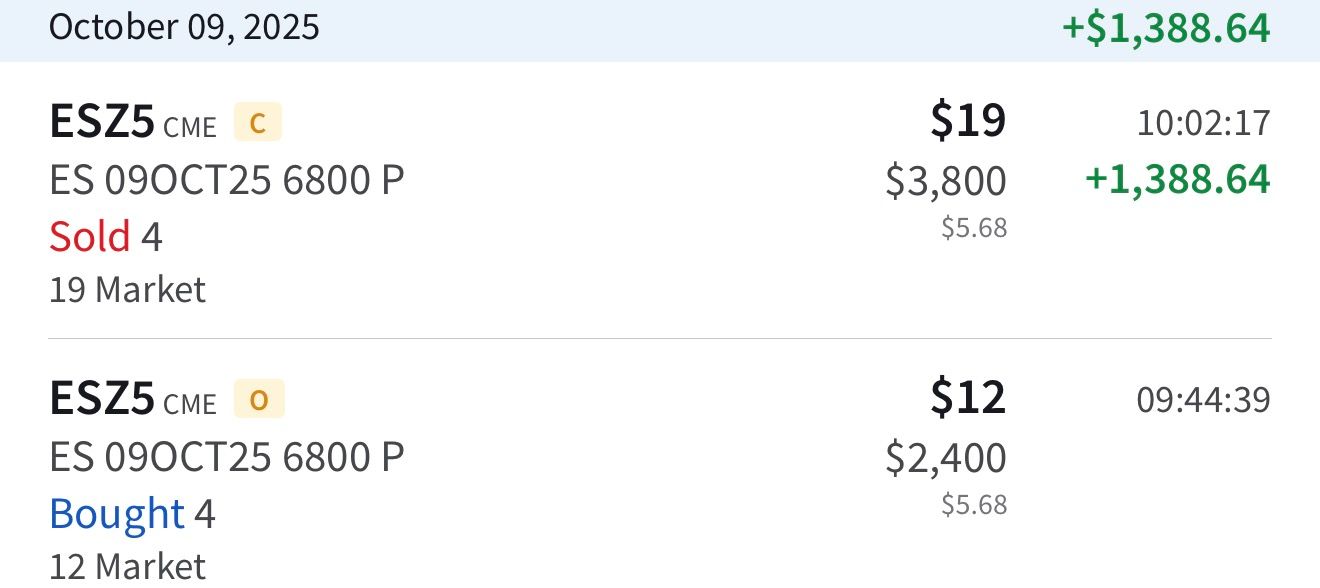
Lower Volume Weighted Average Price (VWAP) Bounce A Set up
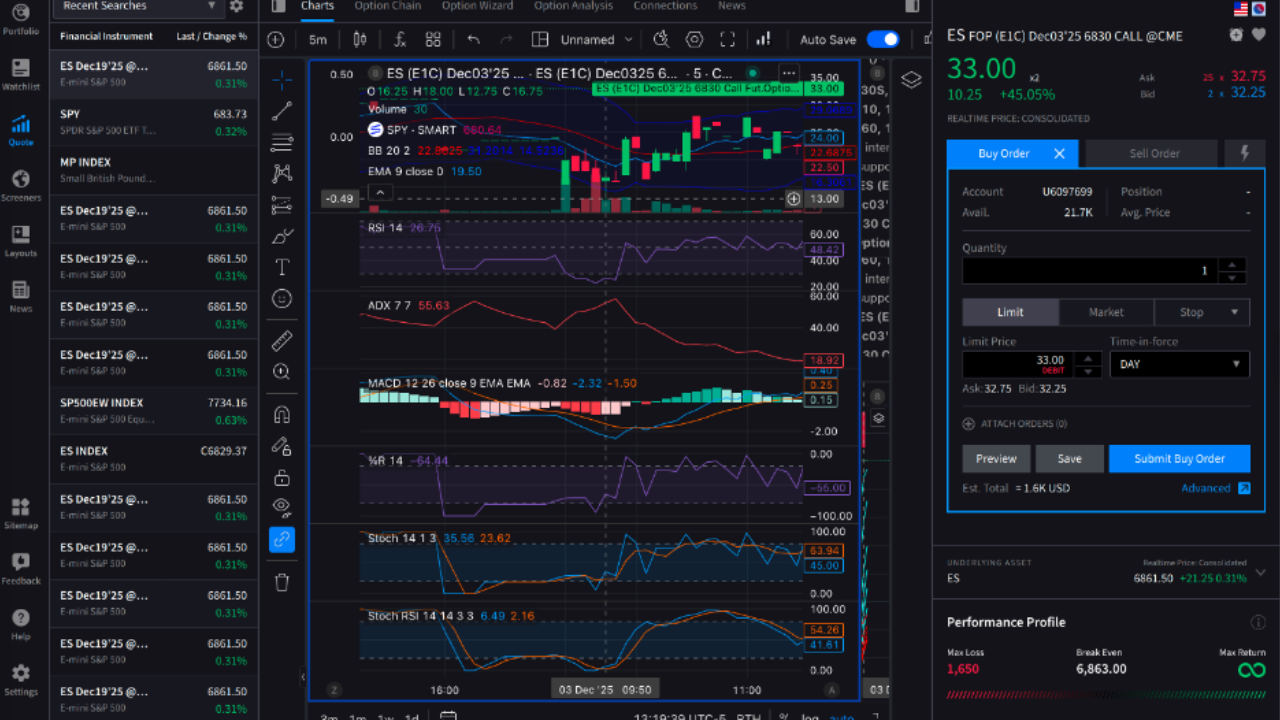
Here is an example of the Lower Volume Weighted Average Price (VWAP) strategy and is one of my A rated set ups. This particular move is indistinguishable because it shows a clear hammer bullish candlestick right on the lower yellow VWAP level after the opening sell off - an indication that prices won't move below that supply level for the rest of the day (or morning).
I like to place my entry right when I see that lower wick on the candlestick forming - then use the option I identified using the delta method - from my trade book to secure the risk. This lets me parse out a consistent bet (e.g. $500 or $200) around the start of the pattern. My mindset then shifts to - should I hold through the entirety of the move - or take profit at the next tick it is profitable.
The downside to this - lose a full bet if the trade doesn't work out - at the first sign of indecision - vs holding to full profitability. How does this work? The game is like football it's a game of inches -
- with options it's a game in the margins. How much did you lose on the trades that didn't work out vs how much did you win?
Because we all know you can place repeated bets and hold on for dear life over and over again - the goal is that the pattern itself holds up and doesn't turn negative (after a period of profitability) - and knowing when to cut it in real time.
That is a skill that is hard to replicate or teach but I can teach you when the indecision doesn't line up and it is time to bail.
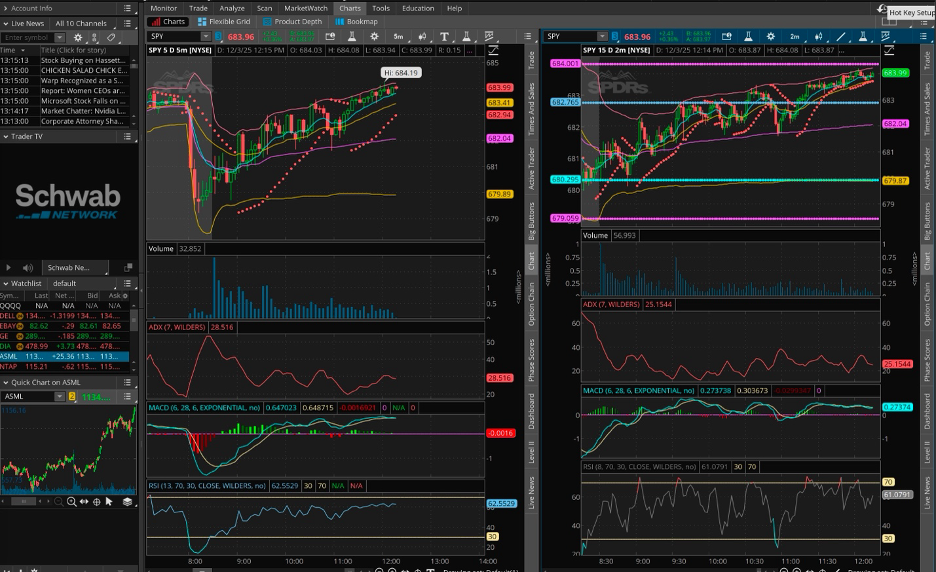
The pattern itself is characterized by other patterns in the indicators but with a rule like this - upper vwap reversal - lower vwap reversal - I like to use just the price action itself and bet right away when it starts to form - then take profit as soon as I have them - if you are right 80-90% of the time to 100% of the time you are going to pan out - if you change your betting scheme and turn a would be profit into a loss - because you can't handle the risk - and it goes from a couple of dollars to a couple of hundred or thousand dollars - that is the problem if you don't have a large enough bank roll.
So you want to get good at a consistent or specific size first - before moving on to larger trading amounts -
This example went from $13 at the hammer - to $33 by the end of the move.
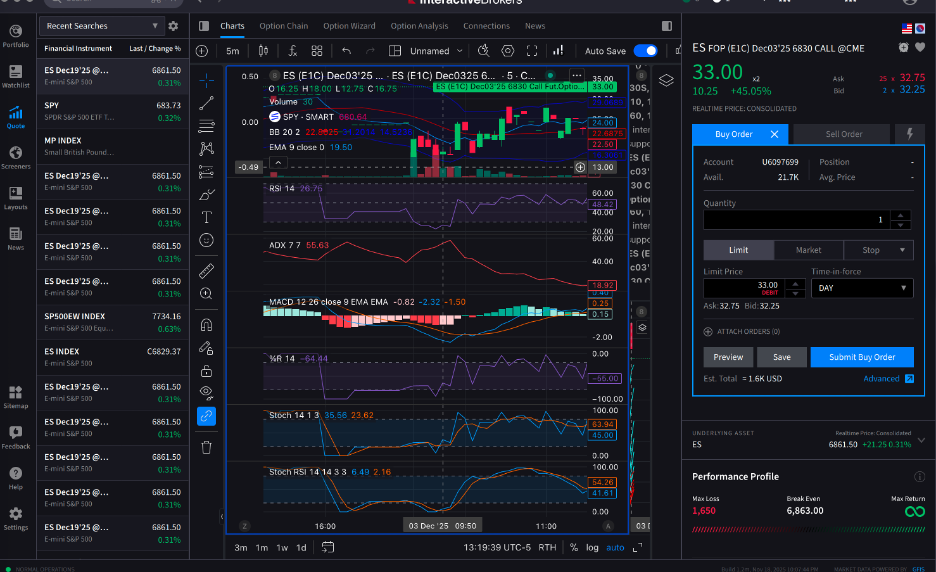
In my trade book I identify repeatable moves like these the criteria or conditions for trading them - the profit targets - and the risk levels associated. As well as teach what to do about indecision when it doesn't move the way you thought it would right away - cut it!
It's okay if you take a 2:1 or 3:1 would be trade and cut profits at 1:1 or even a 50% profit on your investment - just make sure you are trading only that pattern - in a consistent way - such as once a day - once a week - or only when you have time to - and then photo proof your trade so that you can learn where you can do better - for me it is entering more early - once I nail that then I'll focus on holding later.
Author

Matt Lutey
Professor | Finance PhD
Dr. Lutey is a professor and finance PhD